2026-10-11 ·
Longmont Seasonal Roof Maintenance Checklist (Spring/Fall)
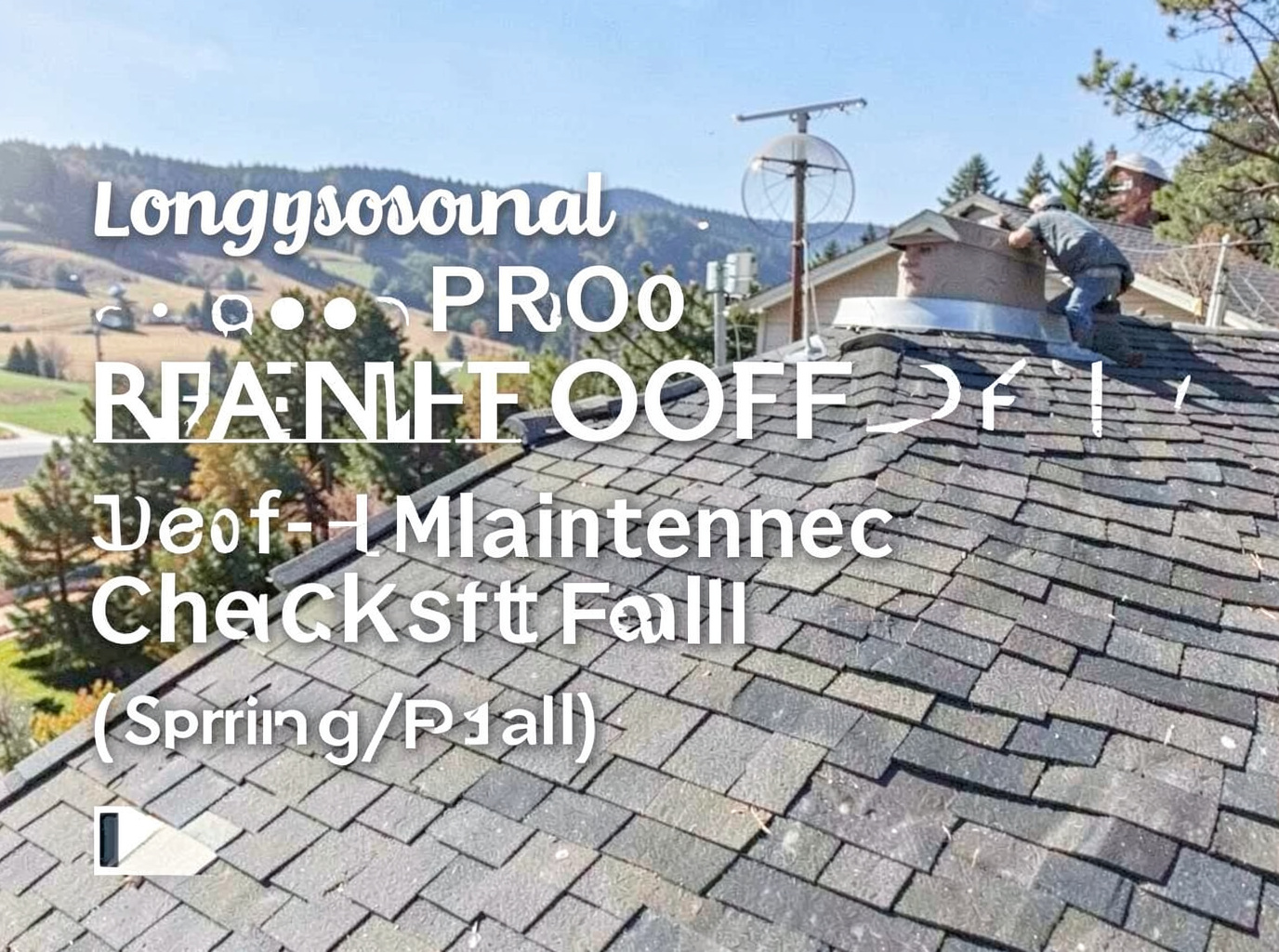
Longmont roofs need targeted spring and fall checks because semi-arid conditions bring warm summers that dry out materials followed by snowy winters that pile weight and create ice. Owners in Old Town, Sunset, Kensington, and Downtown Longmont see these shifts affect older housing stock built decades ago along Left Hand Creek and near Roosevelt Park. Performing the checklist twice a year catches small issues before they turn into leaks during Boulder County storms.
Understanding Longmont Climate Effects on Roofs
Semi-arid weather with warm summers bakes shingles and metal seams while snowy winters add heavy loads that stress older structures common in neighborhoods near the Longmont Museum. Ice forms along eaves when daytime melts refreeze at night, pushing water under flashing in homes built before modern venting standards. Hail events in spring and summer also mark surfaces, which is why readers should review how hailstorms damage roofs in Longmont to separate storm marks from normal wear. These patterns differ from nearby Loveland and Boulder because Longmont sits lower with more creek-side moisture that speeds wood rot once leaks start. Checking twice yearly aligns with the actual freeze-thaw cycles rather than calendar dates.
Spring Roof Maintenance Checklist
Begin spring work after the last snow melts by walking the roof on a dry day to look for lifted shingles, cracked flashing, and debris in valleys. Clear gutters and downspouts so meltwater flows away from foundations in Sunset and Kensington homes where soil stays saturated longer. Inspect pipe boots and vents for UV damage from the prior summer and replace any that show gaps. Test attic ventilation to confirm airflow prevents moisture buildup once temperatures rise. Note any soft spots in decking that could indicate prior ice dam pressure. These steps take two to four hours on a typical Longmont single-story home and help avoid calls for ice dam removal and prevention later.
Fall Roof Maintenance Checklist
Fall checks focus on sealing before snow arrives by examining all penetrations and re-sealing around chimneys and skylights with compatible caulk rated for freeze-thaw cycles. Trim branches that overhang roofs in Old Town and Downtown Longmont to reduce leaf debris and shade that holds moisture. Check for hail or wind damage accumulated over summer by comparing new marks against hail damage vs. normal wear. Clean and secure gutters again after leaf drop to prevent ice dams along north-facing eaves common near Roosevelt Park. Replace any missing granules or fasteners on asphalt shingles before temperatures drop below freezing. Schedule this work in September or early October when crews can still access roofs safely.
Spotting Issues in Local Neighborhoods
Homes in Kensington and Sunset often have original wood shake or three-tab shingles from the 1970s and 1980s that require extra attention to ridge vents and step flashing. Terrain along Left Hand Creek increases humidity in crawl spaces, so attic inspections should include checking for rust on metal panels after summer storms. Older stock near the Longmont Museum experiences more thermal expansion because south-facing slopes receive full sun during warm months. These factors mean a loose vent boot can lead to interior stains within one winter season if left unaddressed. Owners who document photos each spring and fall create a record that helps when comparing damage types over multiple years.
When Maintenance Leads to Professional Roof Leak Repair
If the checklist reveals active leaks, missing sections, or widespread granule loss, contact a local crew based in Longmont for targeted roof vent and pipe boot repair before winter. Small fixes performed in fall often cost far less than emergency work after snow loads arrive. Keep records of each inspection to track how Longmont's specific weather cycle affects your roof over time.