2026-10-11 ·
Can You Claim a Roof Leak on Insurance After a Storm? (Adjuster Tips)
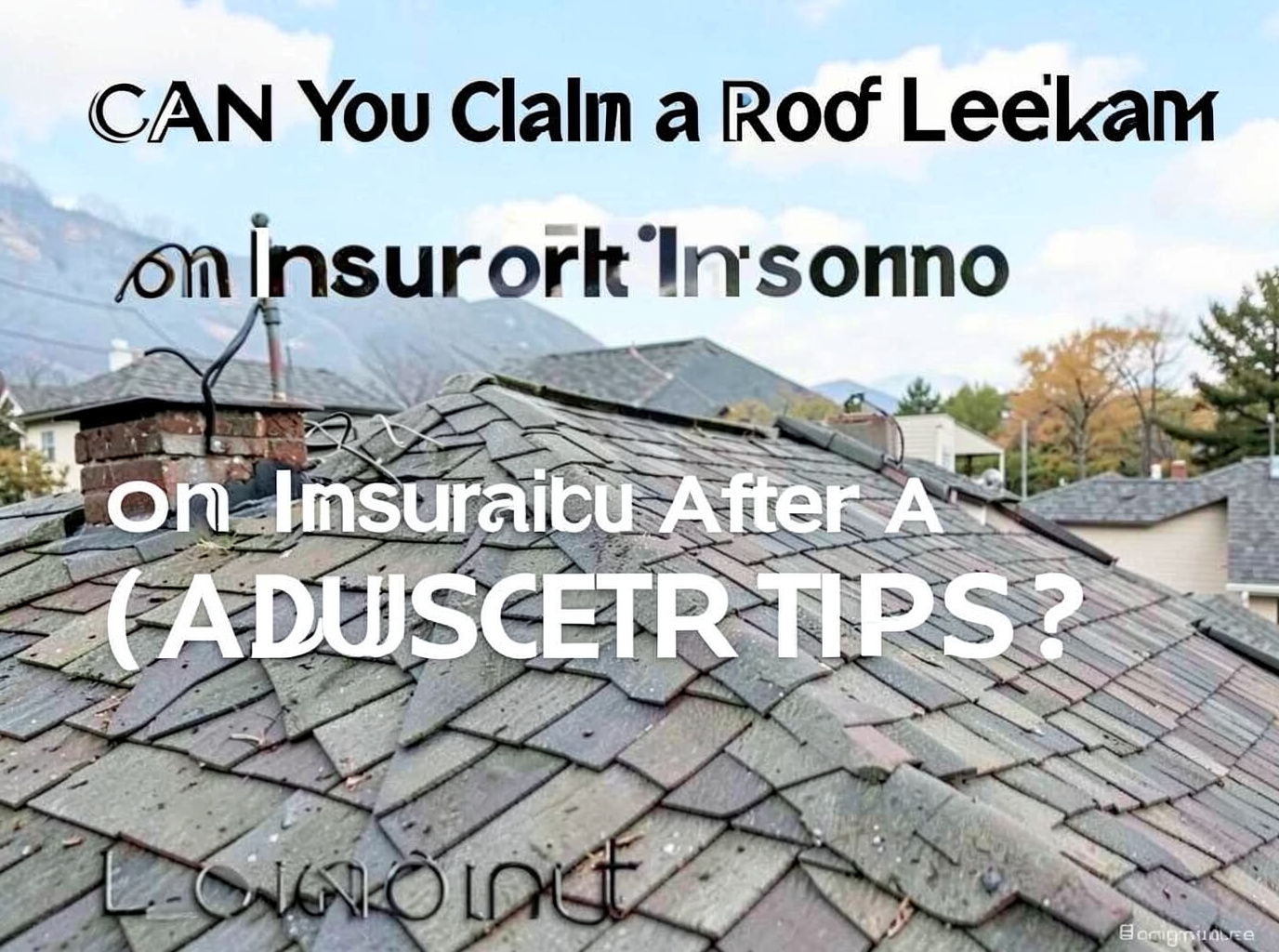
Yes, you can claim a roof leak on insurance after a storm in Longmont when the damage results from hail, high winds, or heavy snow rather than gradual wear. Coverage hinges on proving the storm event caused the issue, which adjusters verify through inspection photos and weather reports from Boulder County. Homes in older neighborhoods like Old Town and Downtown Longmont often see leaks after these events because their 20- to 40-year-old shingle roofs lack modern impact resistance.
Documenting Storm Damage Before the Adjuster Arrives
Homeowners in Sunset and Kensington should photograph every leak stain, missing shingle, and dented flashing immediately after the storm passes. Note the exact date and time of the weather event using local reports, as semi-arid summers followed by snowy winters create distinct damage patterns that adjusters recognize. Keep a dated log of water intrusion locations inside the home, especially near roof vents where pipe boots commonly fail under wind-driven rain. This documentation supports claims for Storm Damage Roof Repair and helps differentiate new damage from older issues common in Longmont's housing stock.
How Hail and Wind Affect Roofs Differently in Longmont
Hailstorms hit Boulder County several times each decade and dent asphalt shingles on homes near Roosevelt Park and the Longmont Museum, leading to leaks that develop weeks later. Wind gusts along Left Hand Creek corridors tear off ridge caps and loosen flashing on metal roofs, allowing snowmelt to enter during subsequent winter storms. These patterns differ from the gradual granule loss seen on roofs in Loveland or Boulder after years of UV exposure. Adjusters look for impact craters and lifted tabs rather than uniform aging when approving claims.
Working Effectively with Insurance Adjusters
Schedule the adjuster visit during daylight hours and walk the roof with them to point out specific damage locations rather than relying on memory. In neighborhoods like Kensington, older homes may have multiple layers of shingles, which adjusters must account for when calculating replacement costs. Provide receipts for prior repairs, such as Roof Vent & Pipe Boot Repair, to show maintenance history. Adjusters in Boulder County often approve partial repairs when only one slope shows storm impact while denying the full roof if wear appears elsewhere.
Common Reasons Claims Are Denied in Boulder County
Claims fail when leaks trace to ice dams rather than the initial storm, though proper documentation of wind-driven snow can sometimes reverse this. Pre-existing damage from deferred maintenance on homes in Sunset frequently leads to denial unless the storm clearly worsened the condition. Adjusters also scrutinize claims filed months after the event, so prompt reporting within 30 days strengthens the case. Linking to seasonal checklists helps homeowners avoid these pitfalls by addressing vulnerabilities before winter arrives.
Next Steps After Approval or Denial
Once approved, coordinate repairs through Hail Damage Roof Repair specialists familiar with Longmont permitting. If denied, request a second inspection or involve a public adjuster experienced with Boulder County policies. Review the policy's actual cash value versus replacement cost language, as many Longmont policies apply depreciation to older roofs in Old Town. Follow up with targeted maintenance using the Longmont Seasonal Roof Maintenance Checklist (Spring/Fall) to prevent future leaks regardless of claim outcome.